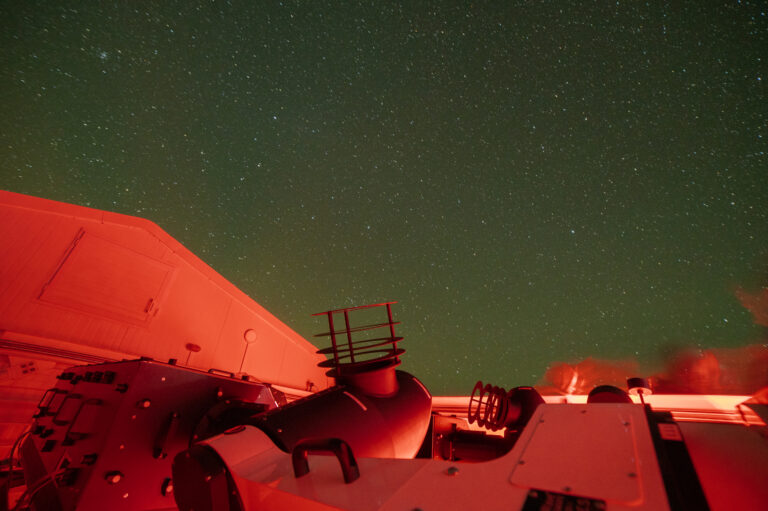
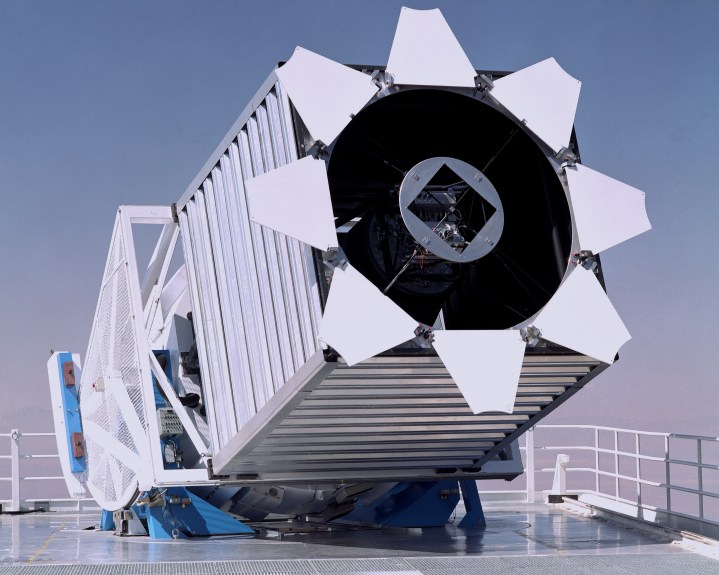
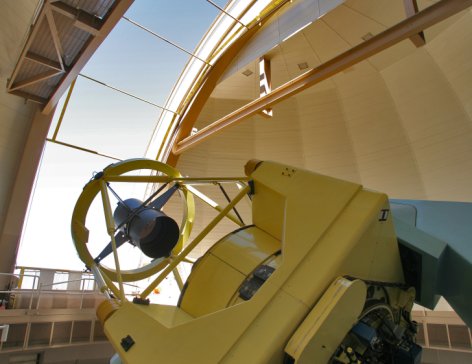
Conducted large-scale deep imaging and spectroscopy over ~8,000 deg², producing multi-colour imaging and spectra of over 700,000 galaxies, quasars and stars
Completed imaging of half the northern sky, mapping ~1 million galaxies and ~100,000 quasars; included the Supernova Survey and SEGUE mapping 230,000 Milky Way stars
Four coordinated surveys including BOSS (largest 3D map of galaxies), APOGEE infrared stellar spectra, SEGUE-2 and MARVELS exoplanet search
Comprised eBOSS for cosmology, APOGEE-2 for Galactic chemo-dynamics, and MaNGA for spatially resolved spectroscopy of ~10,000 nearby galaxies
Pioneering panoptic spectroscopy: Milky Way Mapper (>4 million stars), Local Volume Mapper and Black Hole Mapper with targeting 300,000 quasars
The Sloan Digital Sky Survey redefined how the Universe is observed and quantified, delivering some of the first precise, three-dimensional maps of galaxies, quasars and large-scale structure. By combining some of the most advanced imaging technology at the time with massive spectroscopic campaigns, SDSS enabled detailed studies of galaxy formation, the assembly of the Milky Way and the cosmological distribution of matter, estabilishing some of the most cited research in Astronomy that continues to underpin modern astrophysics and constrain cosmological models.
SDSS spectroscopic programmes (including BOSS and eBOSS) delivered vast, comprehensive spectroscopic samples that serve as the perfect low-redshift anchor for stellar population studies and as the original development datasets for many spectral fitting codes such as FIREFLY.
FIREFLY has been successfully deployed to a wide range of SDSS spectroscopic programmes, producing Value-Added Catalogs (VACs) of galaxies spanning many data releases.
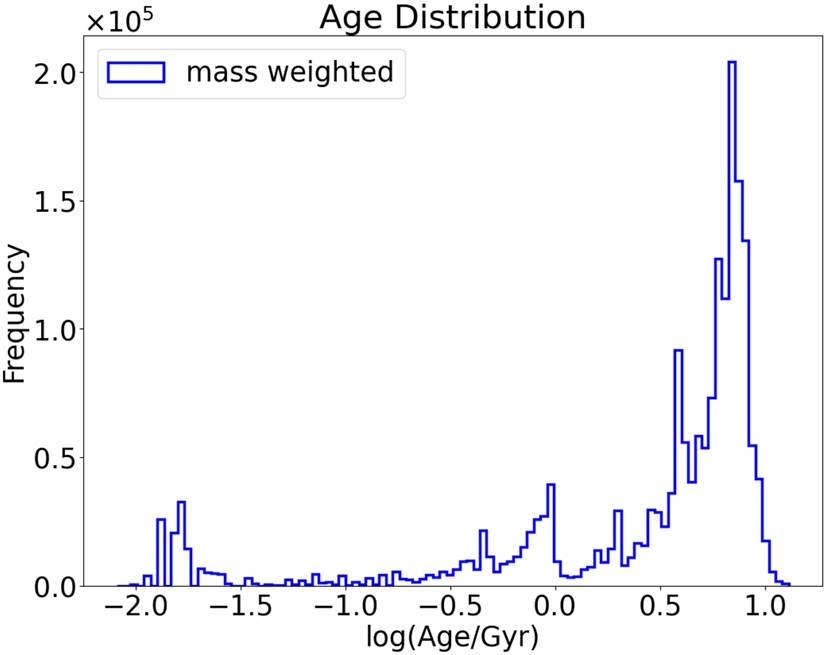
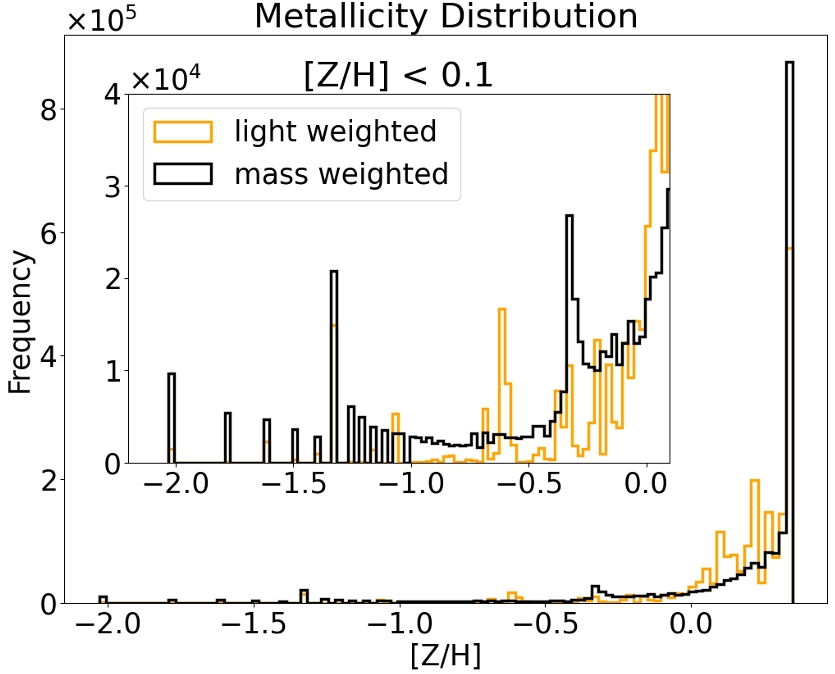
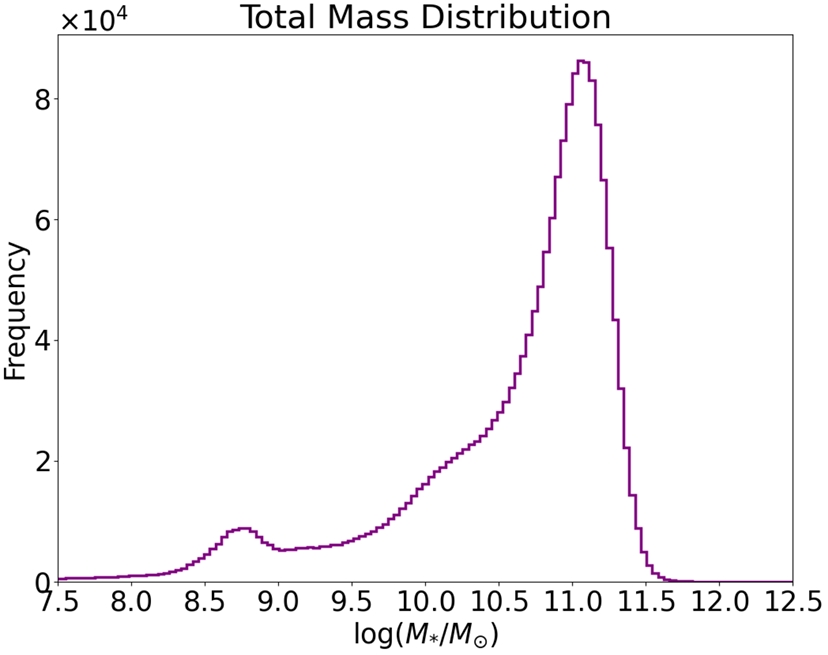
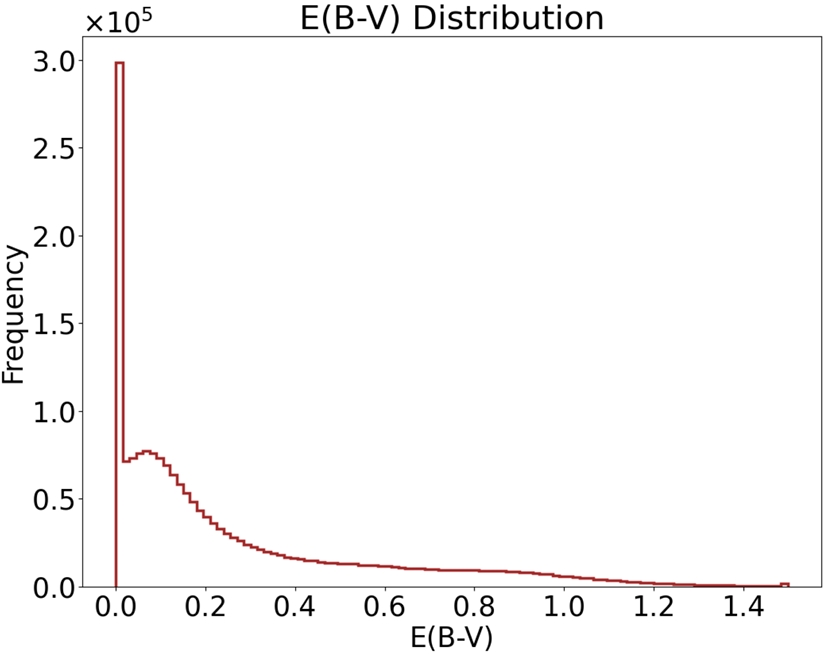
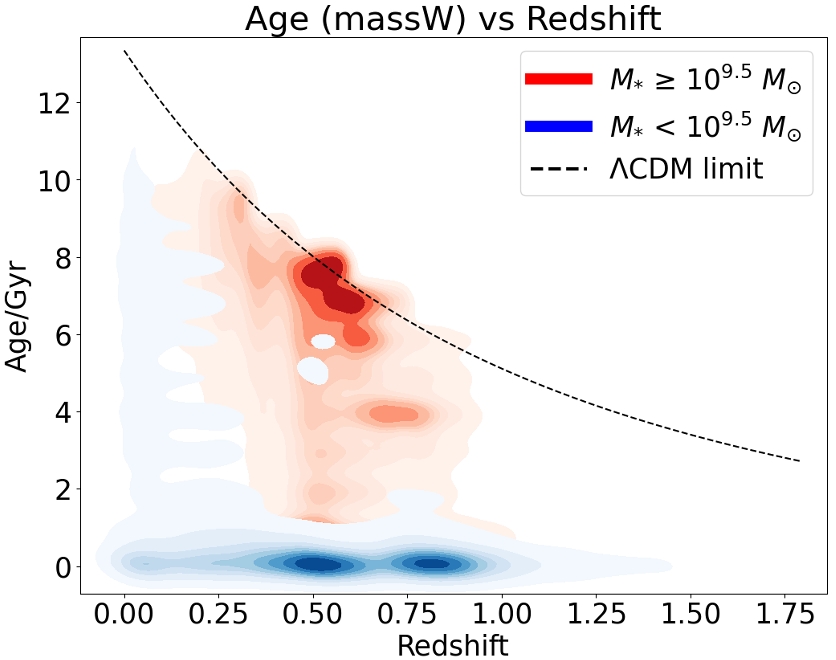
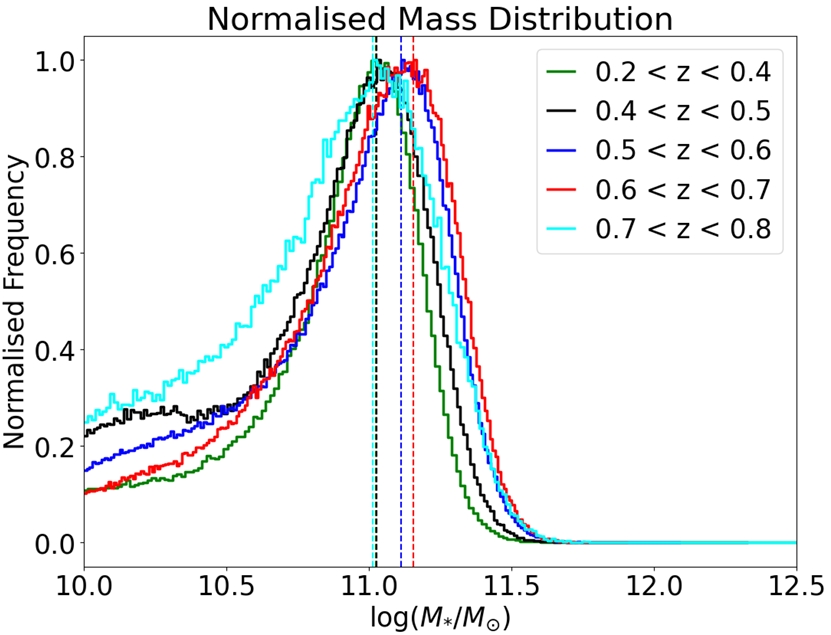
The SDSS DR17 FIREFLY VAC (by Jack Chapman) provides stellar population parameters for 1,913,207 galaxies from the SDSS DR17 BOSS and eBOSS spectroscopic programmes. The distributions below are derived from the SDSS DR17 BOSS/eBOSS FIREFLY. The VAC can be downloaded directly from the FIREFLY repository and is not distributed through the SDSS SAS.
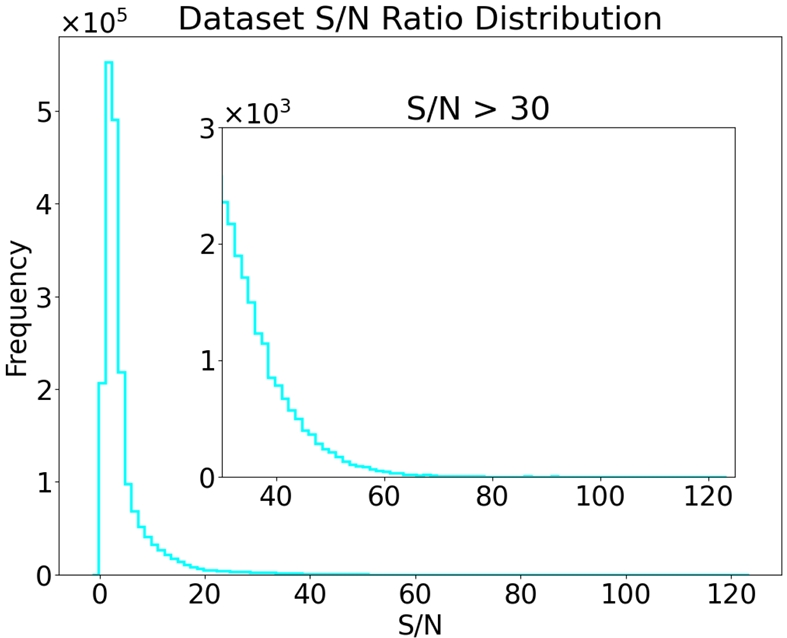
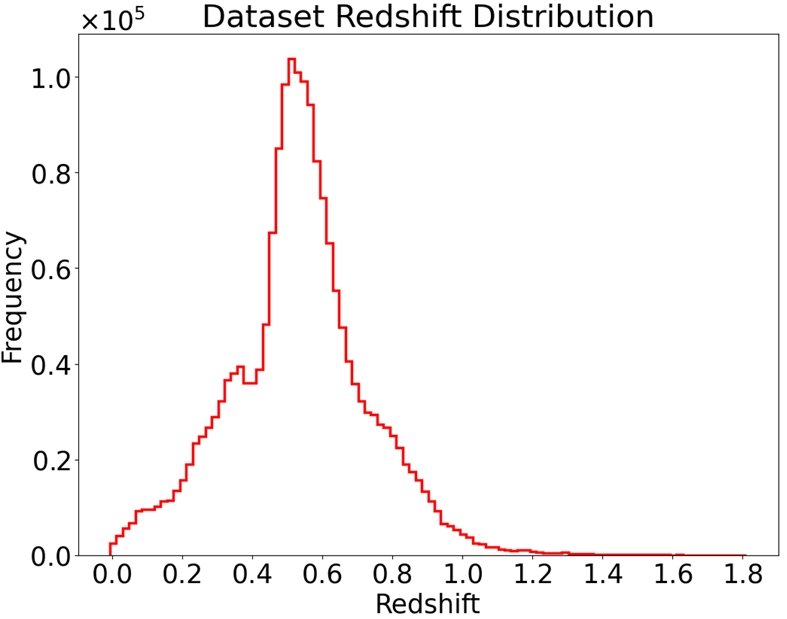
The Chapman DR17 FIREFLY VAC showcases FIREFLY's ability to produce vast datasets suitable for studying galaxies through a range characteristics and investigating starformation hitories, mass functions, age-mass relations, and metallicity trends.
FIREFLY processed all MaNGA DR17 data, released as official MaNGA VACs listed on SDSS SAS.
All SDSS+BOSS+eBOSS DR16 data was processed with FIREFLY, released as official eBOSS VACs on SDSS SAS with both DR16 and DR14 products.